A Study that reveals the hidden structures that make packs win or lose.
A packaging Semiotics Study equips teams to create winning designs. It starts with the premise that in today’s hyper-competitive marketplace, packs need to win at four levels:
● Win with the consumer by attracting them, by being desirable
● Win against the competition, leaving their packs far behind
● Win as a brand touchpoint
● Win by gathering cultural momentum
A Packaging Semiotics Study is a study that:
● Looks deeply into packs, their design elements, hidden structures of meaning
● Explores the interplay of pack elements
● Does a deep dive into how packs are designed as brand touchpoints
● Envisions packs as fitting into larger conceptual structures shaped by competitors, category and culture
● A large sample of packs in the broader category are decoded by a team of expert semiotic analysts. They use the principles of semiotics, the discipline that studies signs, symbols and narratives for meaning making.
● The study uses an expert interpretive approach, not a voice of consumer approach.
● Semiotic analysts carry out the interpretation. They don’t talk to consumers or get consumer feedback on packs.
● In a typical study, a team of semiotic analysts can scan 100-150 packs in the category and do a detailed decoding of packs – from 35-50, depending upon the competitive nature of the category.
● Pattern finding across a large sample set and the use of multiple analysts provides rigour in interpretation and minimizes subjective biases.
● The output isn't just a research report to be filed away
● It is a clear, actionable, visual strategy framework that your brand team and agency can use directly to brief, evaluate, and make decisions.
● A Pack Semiotics Study brings a systematic structure and rigour to design intuitions which are based on visual pattern recognition.
● Typically, the design intuitions and their underlying patterns at play are invisible—they exist in the heads of the creative director, not on paper. So, there is no shared understanding between client teams and design teams.
● A Packaging Semiotics Study makes those patterns explicit, testable, and transferable.
● The rigour and structure take the guesswork out of the potential consumer impact of a pack design, to a much greater degree. They also help teams avoid the less obvious errors that can undermine the consumer impact of the design.
● A Packaging Semiotics Study thus complements the existing intuitions of an experienced design team and enables them to deliver the best designs that they are capable of.
● Clarity and sharpness in briefing the design agency. Going beyond briefing cliches such as “make my pack look more modern, premium, younger”. No vagueness and fuzziness.
● A shared language and framework for assessing the designs that the agency presents and giving feedback in a more structured manner.
● Identifying an explicit and shared design standard to aim for
● Saving time, effort, energy and frustration in going through multiple rounds of revision cycles. Get to your destination quicker and happier.
● Ensuring that disruptive design will resonate with rather than alienate the consumer.
● Above all – channelizing and directing the team’s creative abilities to deliver the highest standard of design that they are capable of.
Every major packaging decision carries several risks.
● Launching into a new category without understanding the visual codes risks alienating your audience or blending into the shelf.
● Repositioning without a category map, risks moving into territory that's already crowded or culturally misaligned.
● A pack redesign based on gut feel risks spending significant budget on something that still doesn't work.
● There are pack (re)design blunders. Worse, there is the quiet death of a pack that fails to deliver impact.
○ Semiotics reduces that risk by giving you a systematic understanding of what's actually working visually in your category before you commit to a direction.
○ The cost of a semiotic study is significantly lower than the cost of a failed redesign, a delayed launch, or a repositioning that misses its audience.
● A Packaging Semiotics Study is ideally carried out at the beginning of the process – before developing the design brief for the packaging agency.
● The Semiotic Analyst team can also audit the designs developed by the agency and provide an expert viewpoint, alongside any consumer feedback process that is used.
● A Packaging Semiotics Study deconstructs the underlying structure of pack design enabling the team to anticipate the likely consumer response to the design.
● A typical Packaging Semiotics Study does a detailed decoding of 35-50 packs and a scan of 100-150 packs. This extensive decoding gives great confidence.
● A typical Packaging Semiotics Study takes 3-5 weeks from commissioning to completion.
● The time spent on semiotics at the front end saves significantly more time and money downstream.
● This is because of fewer revision cycles, sharper creative concepts and more focused consumer testing.
● Consumer testing typically measures consumers’ responses – what parts of the pack did they notice (eye-tracking tests), what are the appeal, liking and purchase intention scores? Which pack scored best out of the options tested?
● Quant Tests (that cover a larger sample) don’t tell you what were the elements in the pack and its construction that resulted in the response, hence what to change and how/why.
● Qualitative research with consumers gets consumers to provide their own reasons / rationale for their response. But, and a big but is that packs are exposed in unrealistic conditions, attention is deliberately drawn to aspects that consumers typically don’t notice or care about. Above all, they force the consumer to sound clever and rationalize about packs and pack elements.
● Qualitative research studies to test packs typically use 4-6 focus groups and is a very small sample to generalize from.
● Most losing packs did not use a packaging semiotics study which could have turned around their fortunes.
● A team which can hire the top-top creative/design directors (the Mani Ratnam of pack design) can rely on the intuitions and experience of the design director to take their project forward.
● All the rest would benefit significantly from a Packaging Semiotics Study to raise their design standard.
● We follow a transparent process for sample selection and pack decoding
● Client teams can see and understand the process for themselves
● They can participate in our internal discussions about our insights and conclusions, if they wish to do so.
Leapfrog’s pack semiotics study delivers the following types of insights:
● A vision of the highest standard of pack design in the category – the Semio-Savvy Pack
● A Hierarchy of packs – the Framework of Semio-Savviness in Design
● The Hidden Structures of Meaning – the Codes at Work
● The Visual Grammar of design, not just visual styles
● Relational Assessment vs. competition vs. semiotic cluster vs. cultural codes
Semiotics is not a business-as-usual research tool. It's deployed strategically when a major decision is being made. The clearest entry points are:
1. New product launch or brand extension—when you're entering a category and need to understand its visual rules before you brief your design agency.
2. Brand repositioning—when your pack feels outdated or misaligned but you don't have a systematic way to diagnose why or where to move.
3. New category entry—when you're a global brand entering a new market, or an established brand moving into an adjacent category, and you need to understand the cultural and visual codes operating there.
4. Portfolio coherence—when you have multiple brands or sub-brands and need to understand whether they're visually distinct, accidentally overlapping, or missing territory they should own.
5. Competitive response—when a competitor has made a significant visual move and you need to understand what they're encoding and whether your current pack holds up against it.
● On the contrary, the rigor, detail and nuance of the decoding provide creative teams with the foundation from which to springboard their design.
● They get the time and space to search for inspirational directions.
● They get a checklist with which to assess which of their ideas and design directions are likely to be more impactful with consumers.
● From the CMO’s standpoint, the rigor of a semiotics study provides greater confidence in the potential impact of design rather than relying entirely on a creative director’s intuition.
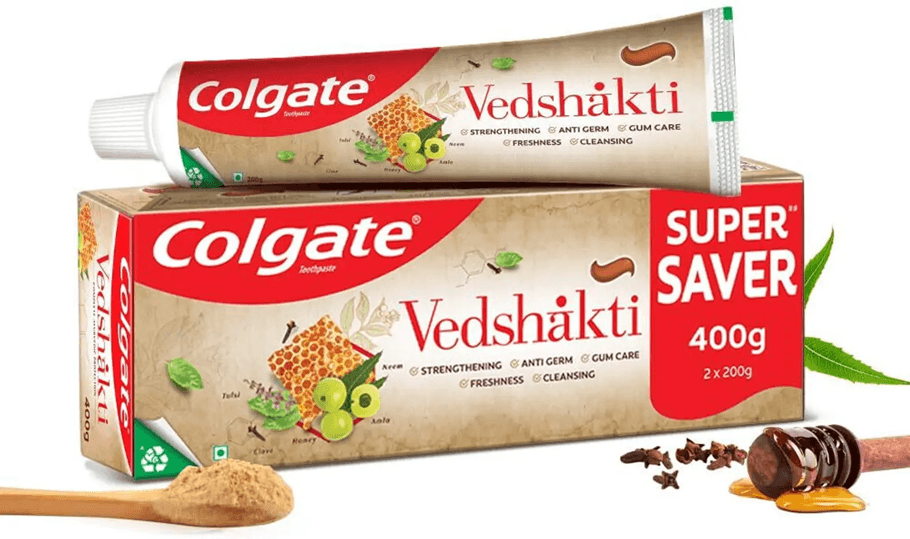
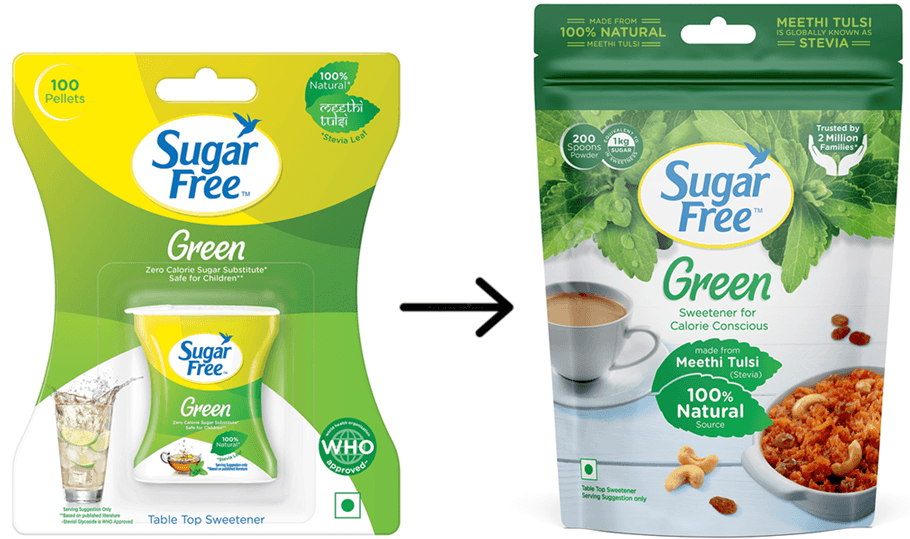
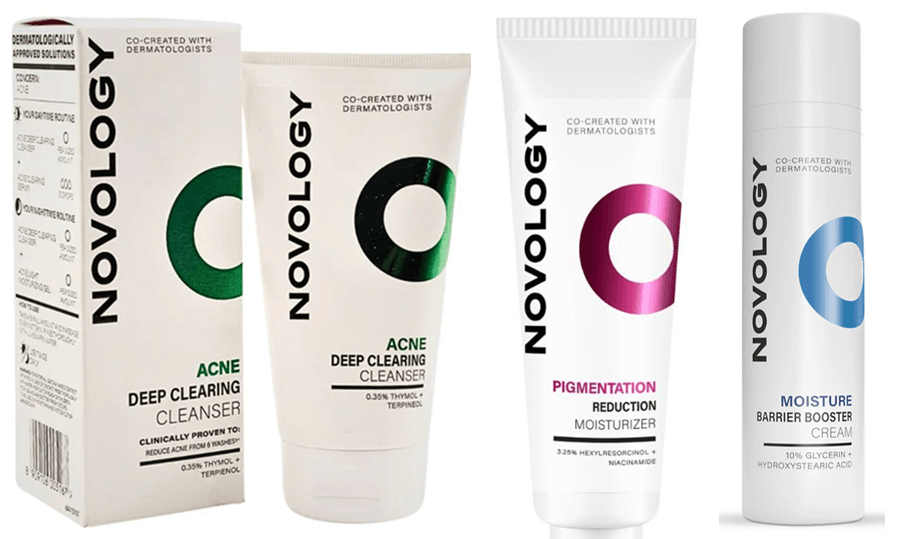
We have contributed to the success stories of many clients with their pack design